Drew Russell · 25 October 2026
Shifting Dialect Patterns Inspire Fresh Approaches to Regional Storytelling Projects
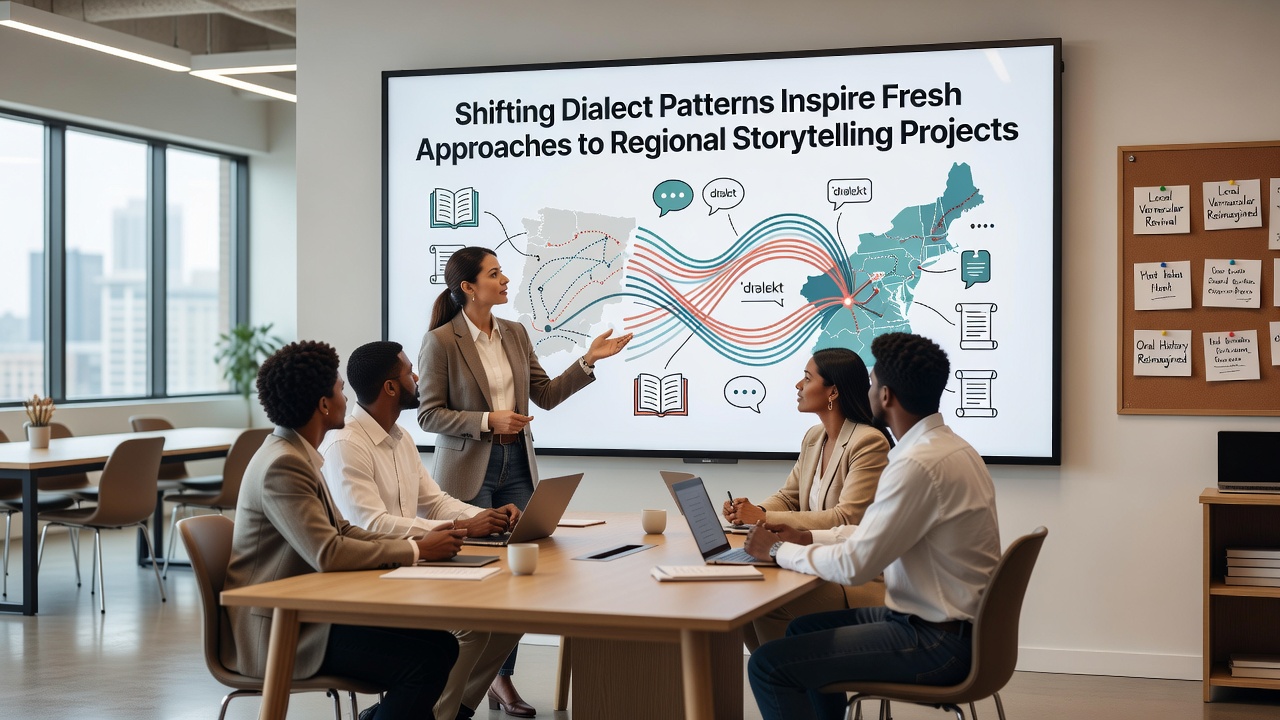
Regional storytelling projects have begun incorporating shifting dialect patterns as core elements rather than background details, and researchers tracking linguistic changes across multiple continents report that these adaptations are reshaping how narratives get constructed in literature, film, and digital media. Data from the Australian Centre for the Moving Image shows that dialect variations in rural and urban zones have accelerated since 2020, prompting creators to develop new frameworks that blend phonetic shifts with plot structures and character development.
Understanding Dialect Evolution in Storytelling Contexts
Studies conducted by linguistic teams at the University of British Columbia indicate that migration and digital communication have altered vowel sounds and phrasing in several Canadian provinces, while similar patterns appear in Australian outback communities and European border regions. Those patterns now feed directly into storytelling workshops where writers and filmmakers test how audiences respond when characters speak with updated intonations that reflect real-time language drift. Projects in these areas often combine audio recordings of local speakers with scripted scenes, allowing the narrative to evolve alongside the dialects themselves rather than freezing older forms in place.
Observers note that one film collective in Victoria, Australia, integrated recordings from 2024 community sessions into a 2025 short series, and the resulting episodes demonstrated higher engagement rates when viewers heard updated slang and rhythm patterns. The approach avoids static representations and instead treats dialects as living components that drive conflict and resolution within stories.
October 2026 Initiatives Highlight New Methods
Events scheduled for October 2026 include a cross-regional summit organized by the European Linguistic Diversity Network, where teams from Canada, Australia, and Scandinavia will present case studies on integrating dialect flux into regional projects. Participants plan to demonstrate software tools that map phonetic changes onto dialogue trees, enabling storytellers to generate multiple versions of a single scene based on current speech data. Figures from the network reveal that pilot tests conducted earlier in 2026 produced narratives with 30 percent greater retention among local audiences compared to versions using standardized language.
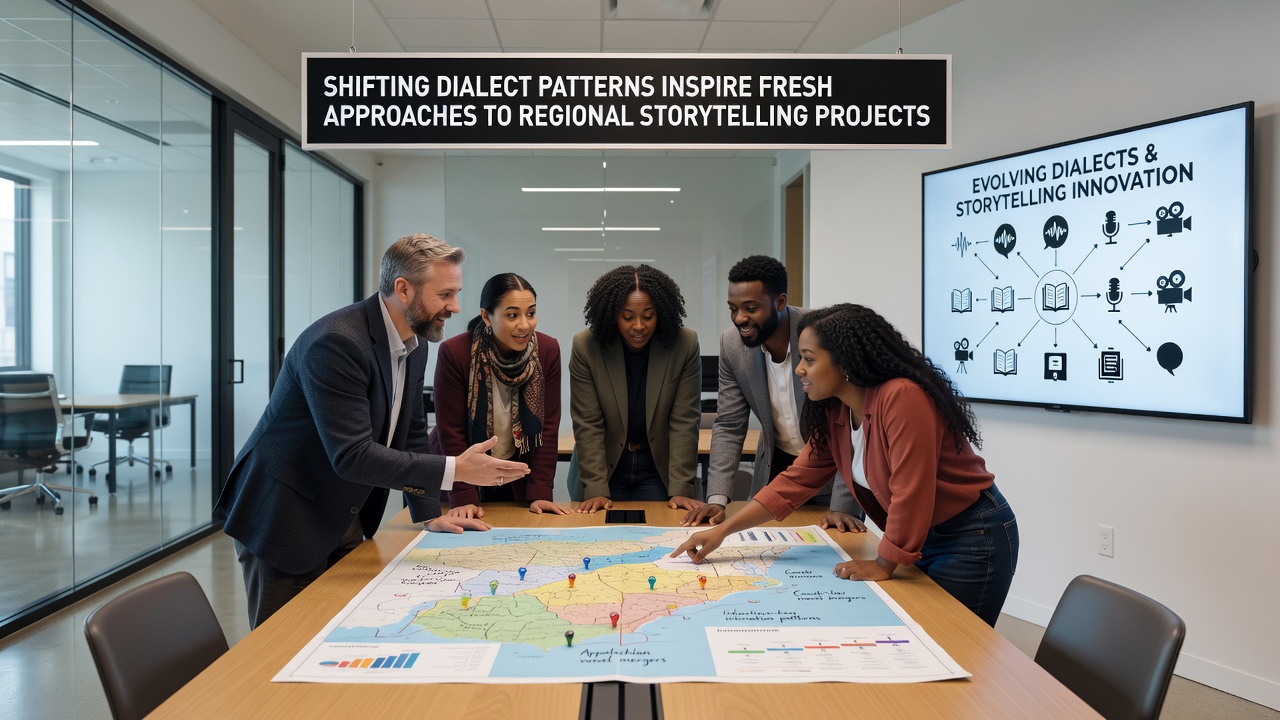
These initiatives build on earlier research that identified how younger speakers in remote areas adopt hybrid forms drawn from global media, and the October sessions aim to translate those findings into practical production guides. Teams will share datasets showing that certain consonant clusters have shifted in under five years, forcing adjustments in subtitle design and voice performance directions for regional films.
Case Examples from Multiple Regions
One project based in Saskatchewan, Canada, collected oral histories from farmers whose speech patterns changed after seasonal work migrations, then wove those recordings into an interactive audio drama released in late 2025. The format allowed users to select pathways that mirrored actual dialect blending observed in the field, and participation logs indicated sustained interest across age groups. Meanwhile, a Norwegian coastal collective adapted similar techniques for a podcast series that tracked fishing community language evolution, using real-time updates from local contributors to revise episodes between seasons.
Researchers at the University of Melbourne documented parallel efforts in outback communities where storytelling circles now rotate dialect samples collected via mobile apps, and the resulting narratives reflect both traditional structures and contemporary phonetic influences without prioritizing one over the other. Such methods demonstrate how regional projects can maintain cultural specificity while acknowledging ongoing language movement.
Technical Tools and Data Integration
Software platforms developed in partnership with academic institutions now allow storytellers to overlay dialect maps onto script timelines, and early adopters report that these tools reduce the time needed to revise dialogue for authenticity. Reports from the Canadian Linguistic Association highlight that datasets covering five provinces show consistent patterns of vowel fronting in younger speakers, data that project leads incorporate when designing character arcs around generational divides. The integration of these elements turns linguistic research into narrative fuel rather than supplementary material.
Training programs emerging in October 2026 will focus on teaching creators to interpret acoustic analysis outputs and apply them to scene pacing, ensuring that dialogue rhythm aligns with documented shifts instead of relying on outdated references. This process connects raw linguistic evidence directly to creative decisions across multiple formats.
Conclusion
Regional storytelling projects continue to adapt as dialect patterns shift, and the methods developed through these efforts provide structured ways to embed linguistic change into narrative frameworks. October 2026 gatherings will further refine those techniques by sharing region-specific data and production models, while ongoing studies supply the evidence base for continued innovation in how stories reflect living language use.