Rosa Keller · 22 November 2026
Tavena Valley Historic Center Drives Innovative Collaborations Between Archaeologists and New Literary Talents
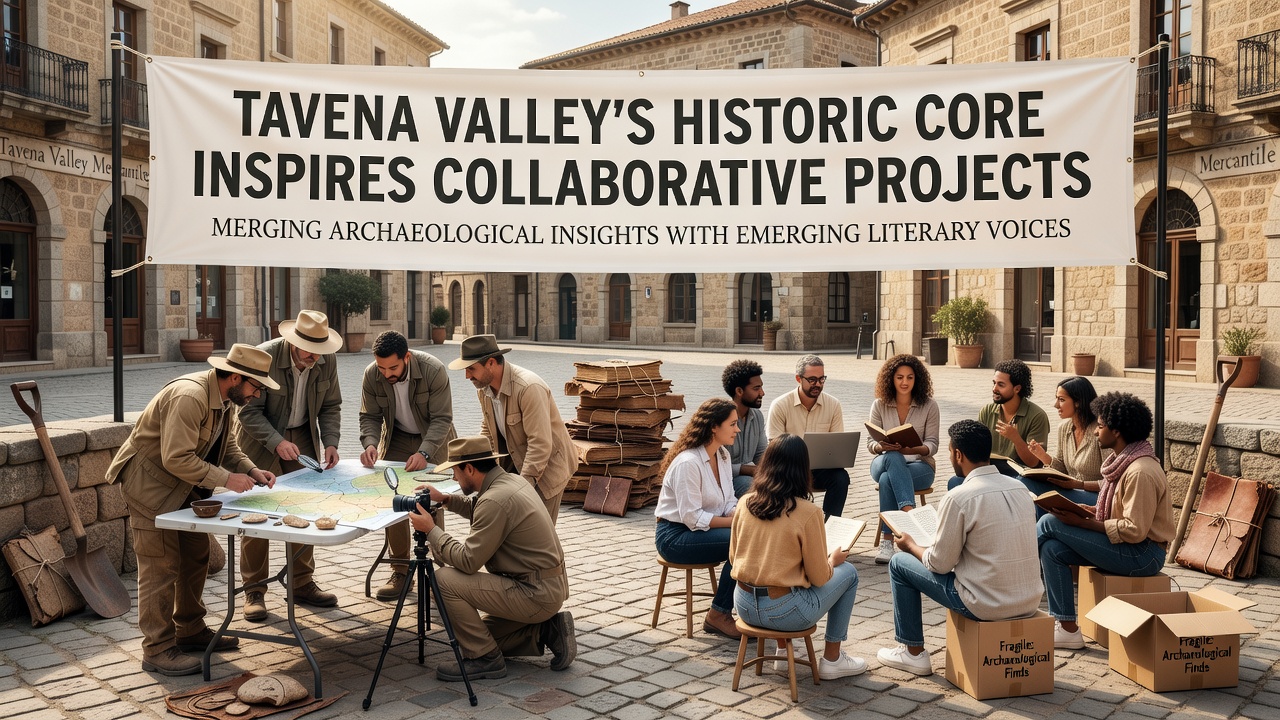
Tavena Valley's historic core has become a focal point for joint efforts that combine findings from ongoing excavations with input from up-and-coming writers, and these initiatives draw on layered settlement records that date back several centuries. Researchers from regional institutions have mapped settlement layers across the valley floor, and data from those surveys now feeds directly into narrative projects that explore shifts in land use and community structure over time. Local archives show continuous occupation since the early medieval period, which provides a timeline that writers use to ground fictional accounts in documented events rather than speculation.
Excavation Findings Shape Narrative Frameworks
Archaeological teams have uncovered structural remains including foundation outlines of market buildings and irrigation channels, and these elements appear in several manuscripts completed during the past two years. One project pairs each excavation report with a writer assigned to develop a short story cycle that follows the same geographic boundaries, which allows the literary output to reference precise artifact locations without altering factual details. Field notes from the 2024 season list pottery fragments and tool remnants that correspond to trade routes running through the valley, and writers incorporate those routes into plotlines that track character movement across generations.
By late 2025 the collaboration expanded to include three university programs, and participants established a shared database that logs both physical finds and the literary works they inspire. This system tags entries by location and time period, which helps maintain consistency when multiple authors draw from the same site data. Observers note that the database has grown to contain over 120 entries since its launch, and it now serves as a reference for new participants joining in 2026.
November 2026 Workshop Series Scheduled
Plans for November 2026 include a two-week workshop series held at the restored town hall in the historic core, where archaeologists will present preliminary reports from the summer dig season and writers will test draft chapters against those reports. The schedule lists daily sessions that alternate between site visits and writing labs, and organizers have arranged for simultaneous translation services to accommodate participants from neighboring regions. Registration opened in early 2026 and reached capacity within three weeks according to the coordinating office.
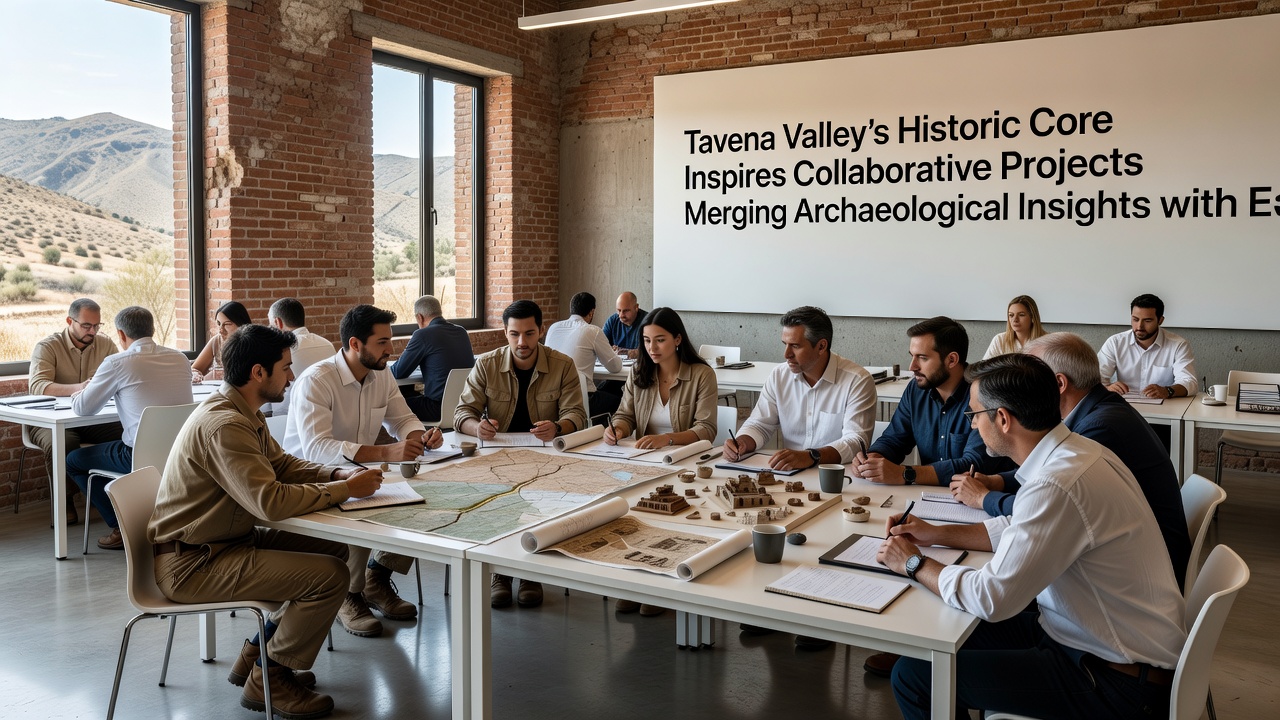
Funding for the workshops comes from a combination of heritage preservation grants and literary arts allocations, and records indicate that the largest single contribution arrived from a cross-regional cultural fund established in 2023. Project leads have published interim summaries that detail how artifact descriptions translate into character backstories, and these summaries appear in the quarterly bulletin issued by the valley heritage society. The process avoids interpretive overlay by requiring writers to cite the original field measurement or catalog number whenever they reference a specific object.
Database Integration and Regional Comparisons
Integration with external research platforms has allowed comparison with similar valley systems in other parts of the continent, and one such platform maintained by a Canadian research consortium provides mapping tools that overlay Tavena data onto comparable settlement patterns. Another link connects to an Australian university repository that catalogs literary adaptations of archaeological reports from analogous sites, which gives Tavena participants access to examples of how other regions handle the same type of material. These connections remain limited to two active external references to keep the focus on local coordination.
Participants have produced a series of chapbooks that list the archaeological source alongside the resulting literary excerpt, and distribution occurs through the valley public library network. Circulation figures from the first printing show that 850 copies moved within the initial month, and library staff report steady requests for additional print runs. The format keeps each pairing on facing pages so readers can check the factual basis for any narrative element without searching separate volumes.
Conclusion
The ongoing work in Tavena Valley demonstrates how excavation records can supply structural details that writers then arrange into extended narratives while preserving the original data points. As the November 2026 sessions approach, the shared database continues to accept new entries from both disciplines, and the resulting publications circulate through established library channels. This arrangement keeps archaeological evidence and literary output aligned through direct citation rather than reinterpretation.