Logan Frank · 11 October 2026
Valley Relics Resurface to Guide Filmmakers Through Agricultural and Dialect Shifts
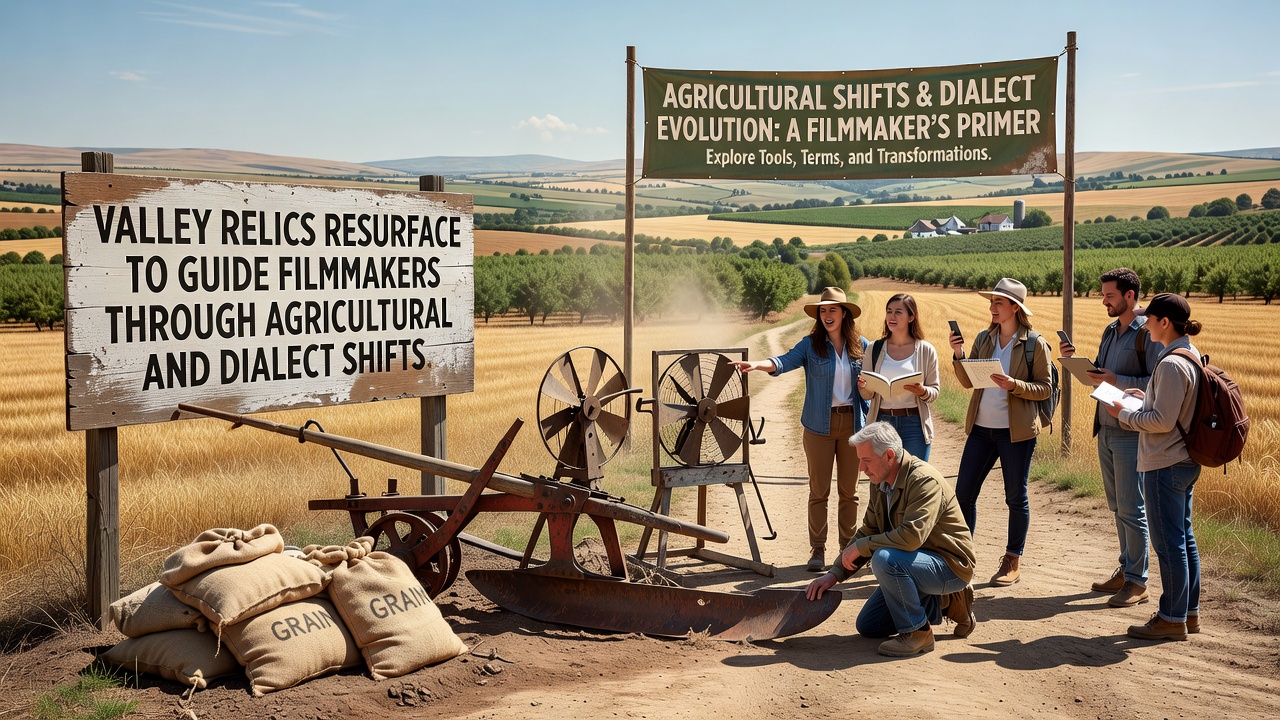
Agricultural valleys across multiple continents have yielded artifacts and recordings that now support film productions focused on historical accuracy in farming practices and spoken language patterns. These items, ranging from handwritten ledgers to mechanical implements and audio tapes, emerged through renewed archival efforts that began gaining momentum in early 2025 and continued into 2026. Researchers at institutions tracking land use patterns report that such relics provide direct evidence of crop rotation methods employed before widespread mechanization took hold. Data from government agricultural agencies in the United States and Australia show transitions from manual irrigation systems to automated drip technologies occurred at different rates depending on regional water availability, and recovered tools illustrate those earlier techniques in detail. Filmmakers working on period dramas have started consulting these collections to recreate field operations without relying solely on modern interpretations. One project based in California's Central Valley incorporated plows and seed drills uncovered during a 2025 site survey, allowing set designers to match equipment specifications documented in 1940s farm records. Dialect shifts receive similar attention through preserved audio materials. Linguists affiliated with European and North American universities compiled voice samples from valley communities that demonstrate vocabulary changes tied to evolving agricultural economies. Terms once common for manual harvesting techniques faded as machinery replaced hand labor, and these recordings capture the original pronunciations and phrasing. In October 2026 several film festivals plan screenings that highlight productions using these resources, with panels scheduled to discuss integration of primary materials into narrative storytelling. Organizers note that access to such items reduces reliance on generalized historical references and supports more precise visual and auditory representations. Studies conducted by the Canadian Agricultural Research Institute indicate that dialect variations often align with specific crop introductions, such as the adoption of new grain varieties that brought associated terminology from immigrant worker groups. Recovered notebooks from the 1950s contain annotations in multiple languages that reflect these exchanges on a single farm. Industry organizations tracking media production trends have documented increased collaboration between archivists and production teams since 2024. These partnerships involve digitization protocols that preserve fragile documents while making them available for reference during script development and location scouting. Australian Department of Agriculture reports detail parallel relic recovery programs in the Murray-Darling Basin, where irrigation equipment from the mid-twentieth century has informed scenes depicting water management disputes. Comparable efforts in the European Union focus on vine cultivation tools that illustrate shifts from manual pruning to mechanized harvesting. 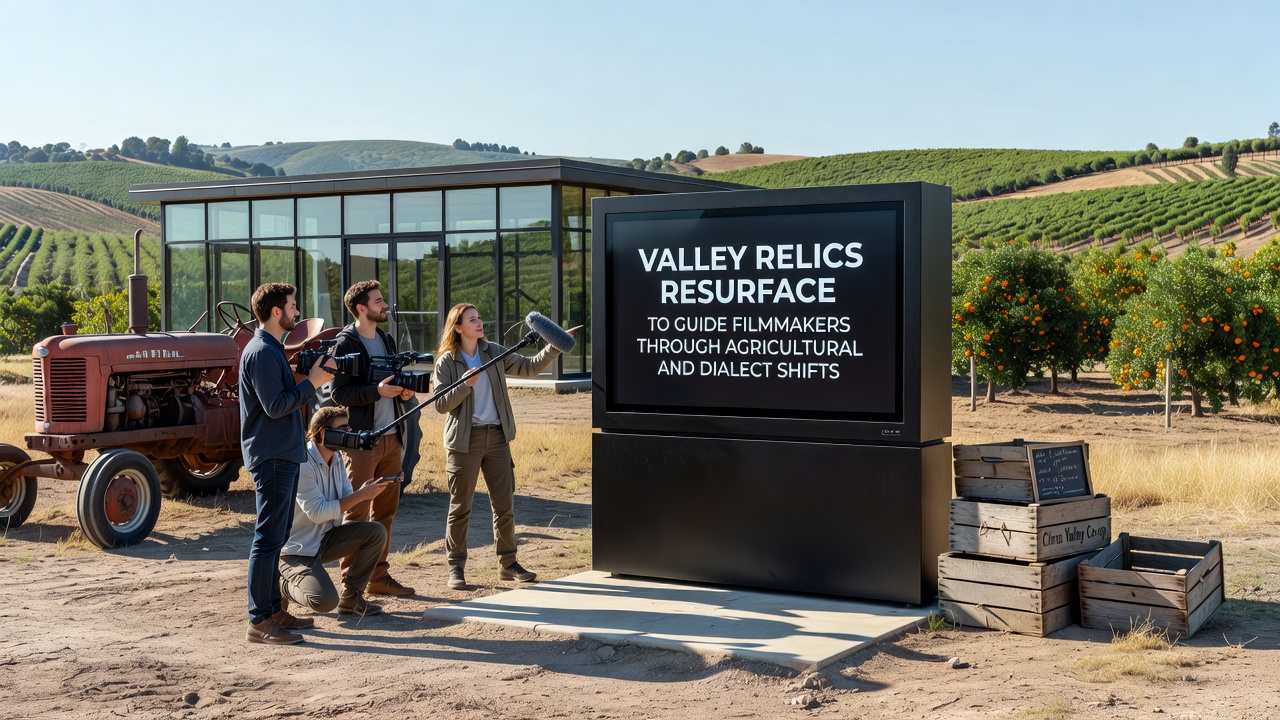 Production companies report that incorporating authentic dialect elements requires consultation with local speakers who can verify intonation patterns preserved on the tapes. This process has led some directors to adjust dialogue delivery after initial recordings failed to match the documented speech rhythms from earlier decades. University-led projects in the United Kingdom and South Africa have cross-referenced relic data with satellite imagery to map field boundary changes over seventy years. These maps help cinematographers plan camera placements that reflect historical land divisions rather than contemporary layouts altered by consolidation. Archival centers maintain open access policies for verified production teams, with usage logs showing steady growth through the first half of 2026. Staff at these facilities coordinate with regional historians to authenticate items before they enter circulation for creative reference. Additional examples include a documentary series that used ledger entries to reconstruct seasonal labor schedules, revealing how payment structures influenced migration patterns within valley economies. The series incorporated voice-over excerpts from the recovered recordings to illustrate how workers described their daily tasks. Observers note that the timing of these discoveries coincides with renewed interest in regional storytelling prompted by streaming platform investments in localized content. Production budgets allocated for research have expanded accordingly, enabling deeper engagement with physical and auditory archives.