Logan Frank · 13 September 2026
Valley Water Issues Drive Innovative Storytelling Among Regional Authors and Filmmakers
Valley regions across several continents face ongoing water management challenges that have prompted authors and filmmakers to explore new narrative techniques, and these creators draw from documented data on drought cycles, aquifer depletion, and policy shifts to build their stories. Researchers at institutions tracking hydrological trends report that prolonged dry periods in agricultural valleys have altered community structures, which in turn supplies fresh material for fiction, documentaries, and hybrid media projects. According to figures from the California Department of Water Resources, reservoir levels in key valley systems dropped by measurable percentages during recent multi-year droughts, and these statistics appear in scripts and novels as both background detail and central plot drivers.
Documented Water Pressures Shape Narrative Foundations
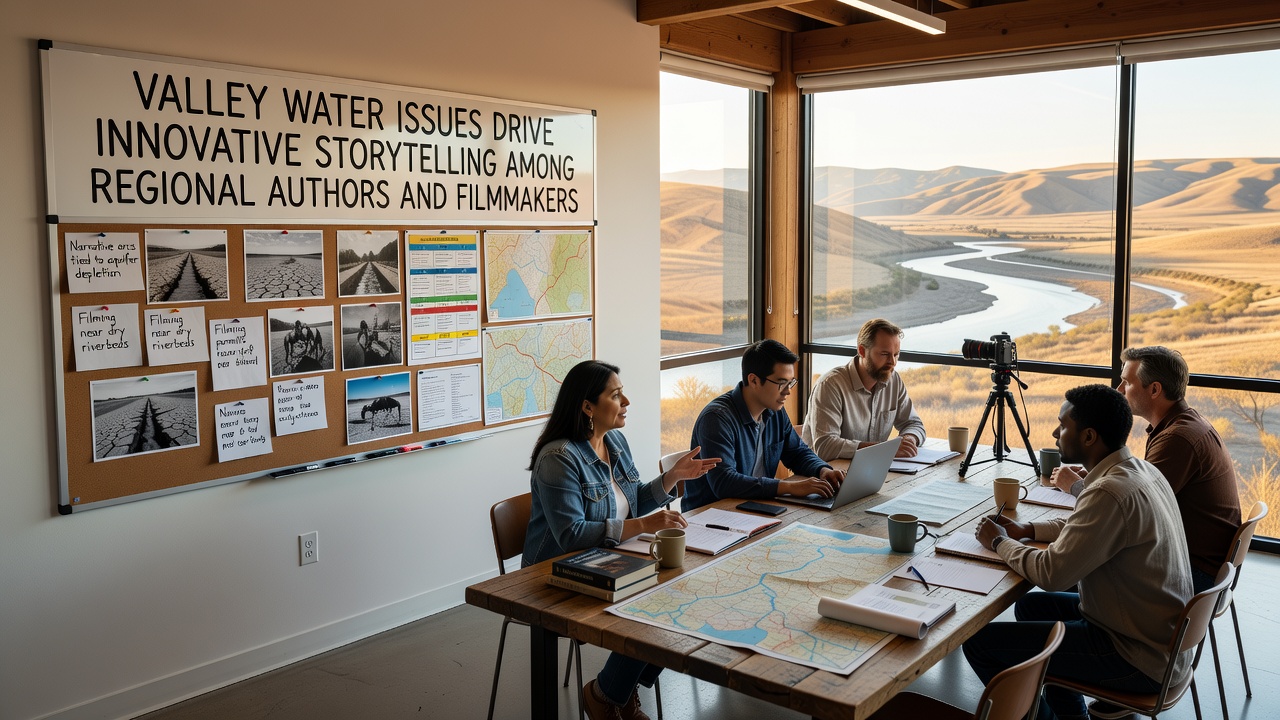
Local writers compile field notes from irrigation districts and municipal reports before drafting chapters that center on families negotiating water allocations, while filmmakers scout locations where cracked soil and abandoned canals provide visual shorthand for broader themes of scarcity. Data from the United States Geological Survey shows groundwater extraction rates exceeding recharge in multiple valley basins, and these measurements inform the timelines of several forthcoming novels scheduled for release in late 2025. Filmmakers have begun incorporating drone footage of shrinking lakes alongside traditional dramatic scenes, creating layered sequences that blend scientific imagery with character-driven dialogue.
One production team collected oral histories from farmworkers whose wells ran dry, then wove those accounts into a multi-platform story that combines print chapters with short video segments accessible via mobile apps. Observers note that such approaches allow audiences to follow both the human stories and the underlying hydrological records without breaking narrative flow. In parallel, several regional authors formed small collectives to share research on water rights litigation, and the resulting anthologies present interconnected tales that trace legal disputes back to nineteenth-century canal agreements.
Creative Techniques Emerge from Shared Data Sources
Storytellers now integrate interactive maps into ebook editions so readers can toggle between fictional events and real-time well-level readings published by state agencies. A recent collaboration between a valley-based novelist and a university geography department produced a graphic novel that overlays character arcs onto satellite imagery of land subsidence, and the project received funding through arts grants tied to environmental education. Directors experimenting with virtual production stages have reconstructed historical valley wetlands using publicly available elevation models, allowing scenes set in wetter decades to contrast with present-day footage captured on location.

These methods require coordination between creative teams and technical experts, yet they keep the focus on verifiable conditions rather than invented drama. A documentary series currently in post-production draws its episode structure from seasonal water allocation calendars issued by irrigation districts, and each installment follows a different stakeholder group whose decisions reflect the same regulatory documents. Authors working in traditional prose have adopted similar strategies by embedding footnotes that link to open datasets, giving readers direct access to the same numbers that shape the plot.
September 2026 Events Highlight Cross-Regional Exchanges
Planning documents released by regional arts councils list a multi-day storytelling summit scheduled for September 2026 that will bring together authors from California valleys and counterparts working in comparable basins in Australia and Spain. The program includes workshops on embedding climate data into character development and screenings of short films that pair valley residents with international crews. Organizers have confirmed participation from hydrology researchers who will present updated models of snowpack decline, and those presentations will feed directly into breakout sessions where writers adapt the projections into narrative scenarios.
Early registrations indicate strong interest from independent publishers seeking manuscripts that combine personal narratives with environmental metrics, and several film funds have earmarked resources for projects originating at the summit. Past exchanges between valley creators and European water-management agencies produced bilingual story collections that compared allocation systems across continents, and the 2026 gathering aims to expand that model with digital archives accessible after the event concludes.
Conclusion
Regional water issues continue to supply measurable inputs for authors and filmmakers who translate statistics and policy documents into extended narratives across print, screen, and interactive formats. The September 2026 summit represents one scheduled point where these practices will intersect with international counterparts, yet ongoing projects already demonstrate consistent integration of hydrological data into creative work. As new reports from government and academic sources become available, creators maintain established channels for incorporating those findings into stories that reach both local and wider audiences.